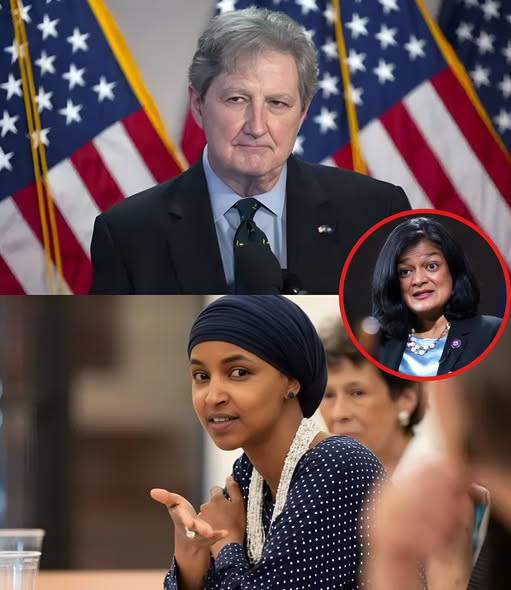
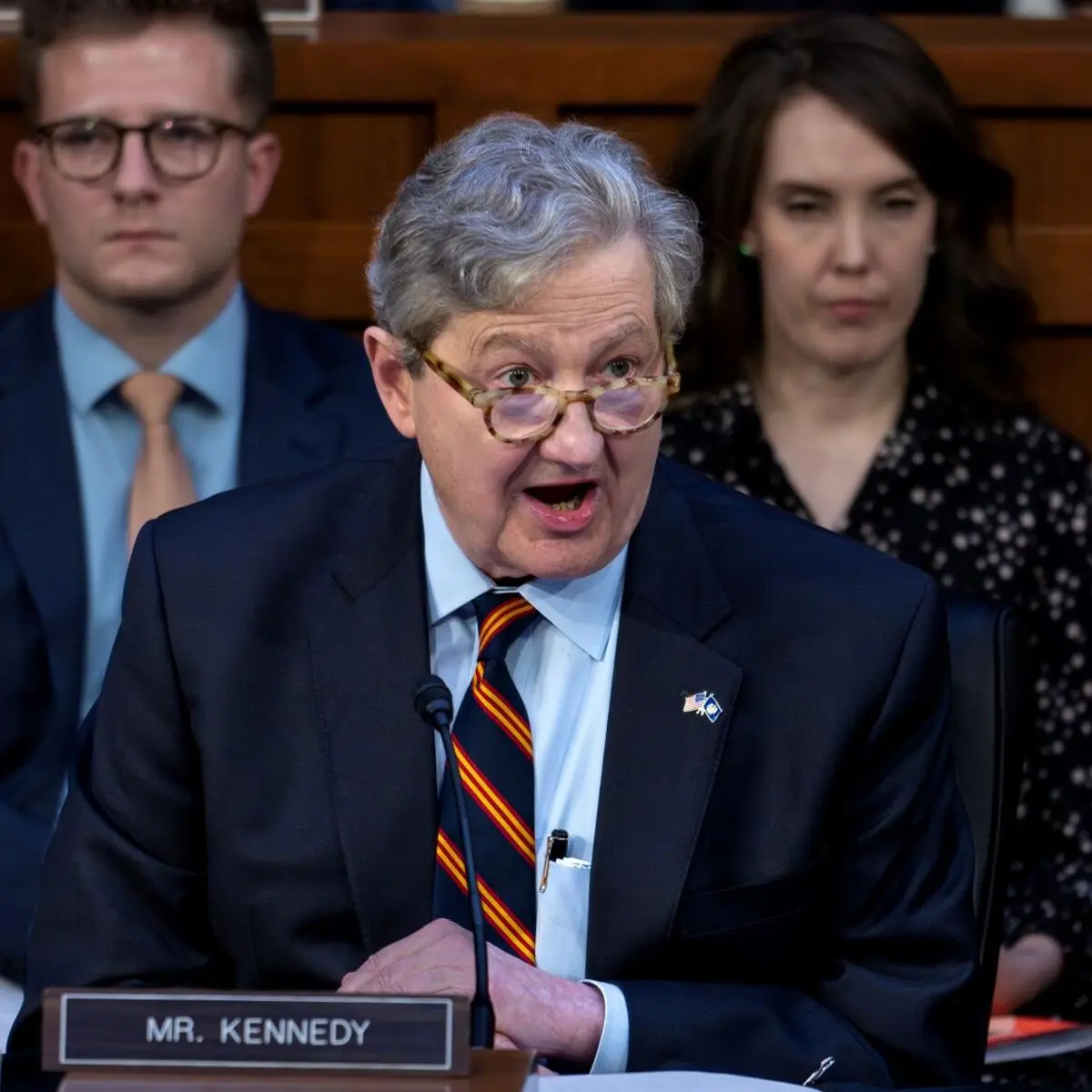
The chamber was calm until Senator John Kennedy reached for the microphone, a moment that would soon dominate political headlines. His face flushed visibly as cameras rolled, signaling an outburst few inside the room anticipated.
What followed was not a routine floor speech but an emotional eruption that cut through procedural monotony. Observers noted the sharp change in tone as Kennedy’s voice rose, carrying frustration that had clearly been simmering beneath the surface.
As he spoke, Kennedy slammed his hand on the desk, leaning forward with unmistakable intensity. The sudden movement startled colleagues, while aides exchanged glances, sensing that the moment was spiraling beyond scripted political theater.
His declaration, “There will be no flags but ours in this Congress — not now, not ever,” echoed across the chamber and through live broadcasts nationwide, instantly igniting fierce reactions from lawmakers, analysts, and viewers at home.
The statement appeared aimed at what Kennedy described as symbolic disloyalty within Congress. He accused certain members of prioritizing ideology over national identity, framing the issue as an existential threat to American unity.
In a move that shocked even seasoned political observers, Kennedy went further, demanding the immediate expulsion of fourteen naturalized lawmakers. The proposal stunned the room, prompting murmurs and visible discomfort among senators.
Legal scholars were quick to point out the constitutional implications of such a demand. Expelling lawmakers based on naturalization status raised immediate questions about legality, civil rights, and the limits of congressional authority.
Kennedy’s rhetoric did not stop there. He accused members of Representative Alexandria Ocasio-Cortez’s progressive bloc, often referred to as “the Squad,” of selling out American values for political gain.
The accusation drew audible reactions from the chamber. Some lawmakers shook their heads, while others leaned back in silence, aware that the remarks would reverberate far beyond the walls of Congress.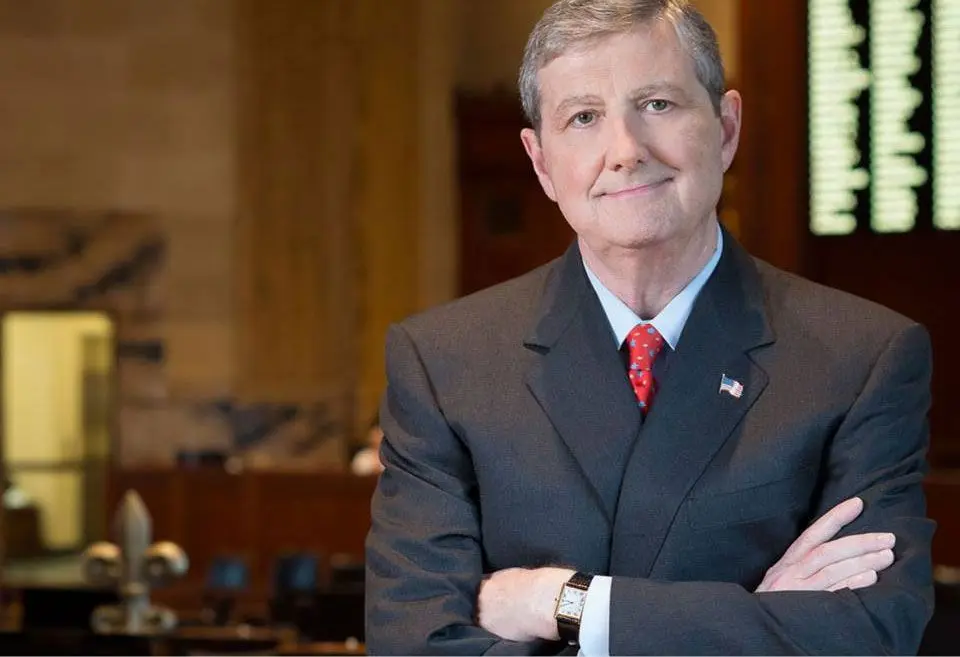
Within minutes, clips of the speech flooded social media. Supporters praised Kennedy’s bluntness, calling it a necessary stand against what they perceive as ideological fragmentation within the government.
Critics, however, condemned the remarks as inflammatory and dangerous. Civil rights advocates warned that such language risks normalizing exclusion and undermining democratic principles rooted in equal representation.
Political analysts noted that Kennedy’s outburst came amid heightened polarization and looming elections. Some suggested the speech was aimed as much at energizing a voter base as at addressing policy concerns.
Members of the Squad responded swiftly through public statements, rejecting Kennedy’s accusations and reaffirming their commitment to constitutional values. They characterized the remarks as fear-driven theatrics rather than substantive governance.
Representative Ocasio-Cortez did not immediately address the speech directly, but allies emphasized that patriotism is not defined by conformity, arguing that dissent is a cornerstone of democratic tradition.
Behind the scenes, Senate leadership reportedly convened urgent discussions about decorum and potential fallout. While no formal censure was announced, concerns about escalating rhetoric were evident.
Constitutional experts appeared across news networks, stressing that naturalized citizens hold the same rights as those born in the country. Any attempt to revoke representation on that basis would face insurmountable legal barriers.
International observers also took note. Diplomatic commentators warned that such rhetoric could damage America’s global image as a nation built on immigration and pluralism.
Kennedy’s office later released a brief statement framing his remarks as a defense of national unity. The statement did not clarify how his proposal would align with constitutional law.
Inside Washington, reactions split sharply along ideological lines. Some lawmakers applauded the senator’s willingness to speak forcefully, while others described the episode as a dangerous precedent.
Media outlets replayed the footage repeatedly, analyzing Kennedy’s body language, tone, and word choice. The moment quickly became a symbol of the nation’s deepening political divides.
Public opinion polls conducted in the hours following the broadcast showed a stark divide. Support and condemnation appeared to correlate strongly with partisan identity.
For many viewers, the outburst represented a turning point in congressional discourse. What was once considered unthinkable rhetoric now unfolded live on national television.
Historians drew parallels to past moments of legislative turmoil, noting that periods of national stress often produce dramatic confrontations within governing institutions.
As the news cycle intensified, questions lingered about consequences. Would the speech fade into soundbite history, or would it reshape conversations about loyalty and representation?
What remained undeniable was the impact of that single moment. With one explosive statement, Senator John Kennedy reignited debates over identity, power, and the meaning of belonging in American democracy.
In the days that followed, civic groups organized forums and petitions urging calmer discourse and reaffirming constitutional protections. They argued that televised outrage may mobilize emotions, but long-term stability depends on restraint, dialogue, and adherence to established democratic norms.
Several senators privately expressed concern that performative anger could overshadow legislative priorities. They warned that spectacle-driven politics risks normalizing extreme proposals, making compromise harder and governance more fragile amid already strained institutional trust.
As Washington recalibrated, the episode became a case study in modern political communication. Scholars noted how live broadcasting magnifies moments instantly, transforming seconds of rhetoric into lasting symbols that shape narratives far beyond the chamber.