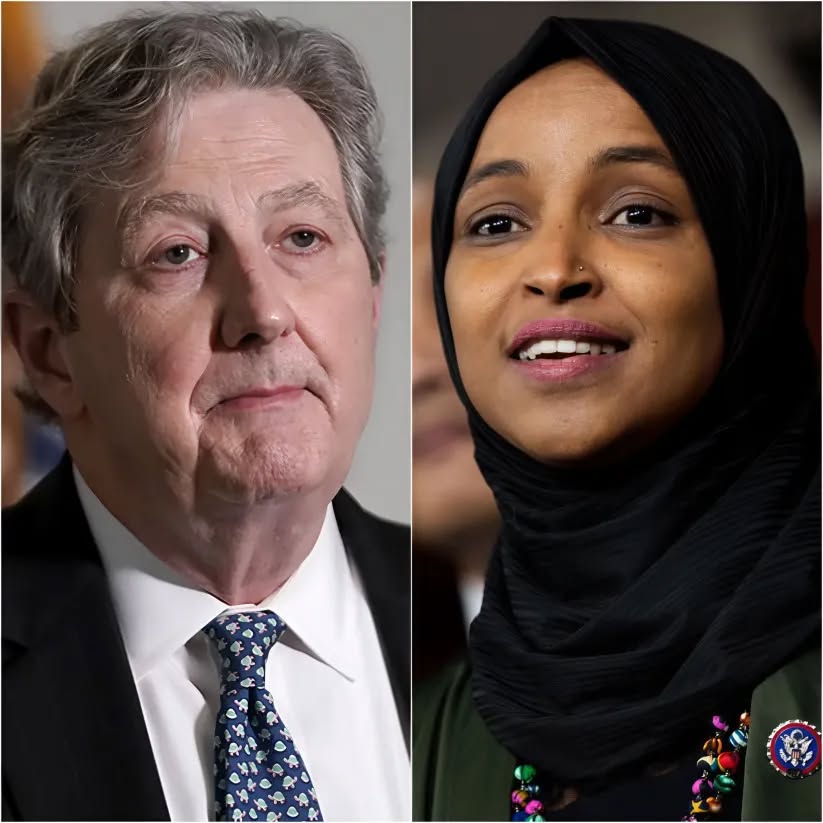
“If you weren’t born here, you will never lead here”: Senator John Kennedy’s controversial initiative shakes the U.S. political landscape
Washington, D.C. – December 9, 2025
In a nation forged from the dreams of immigrants, where the Statue of Liberty stands as a beacon of hope for the world’s “huddled masses yearning to breathe free,” a new storm is brewing on Capitol Hill. U.S.
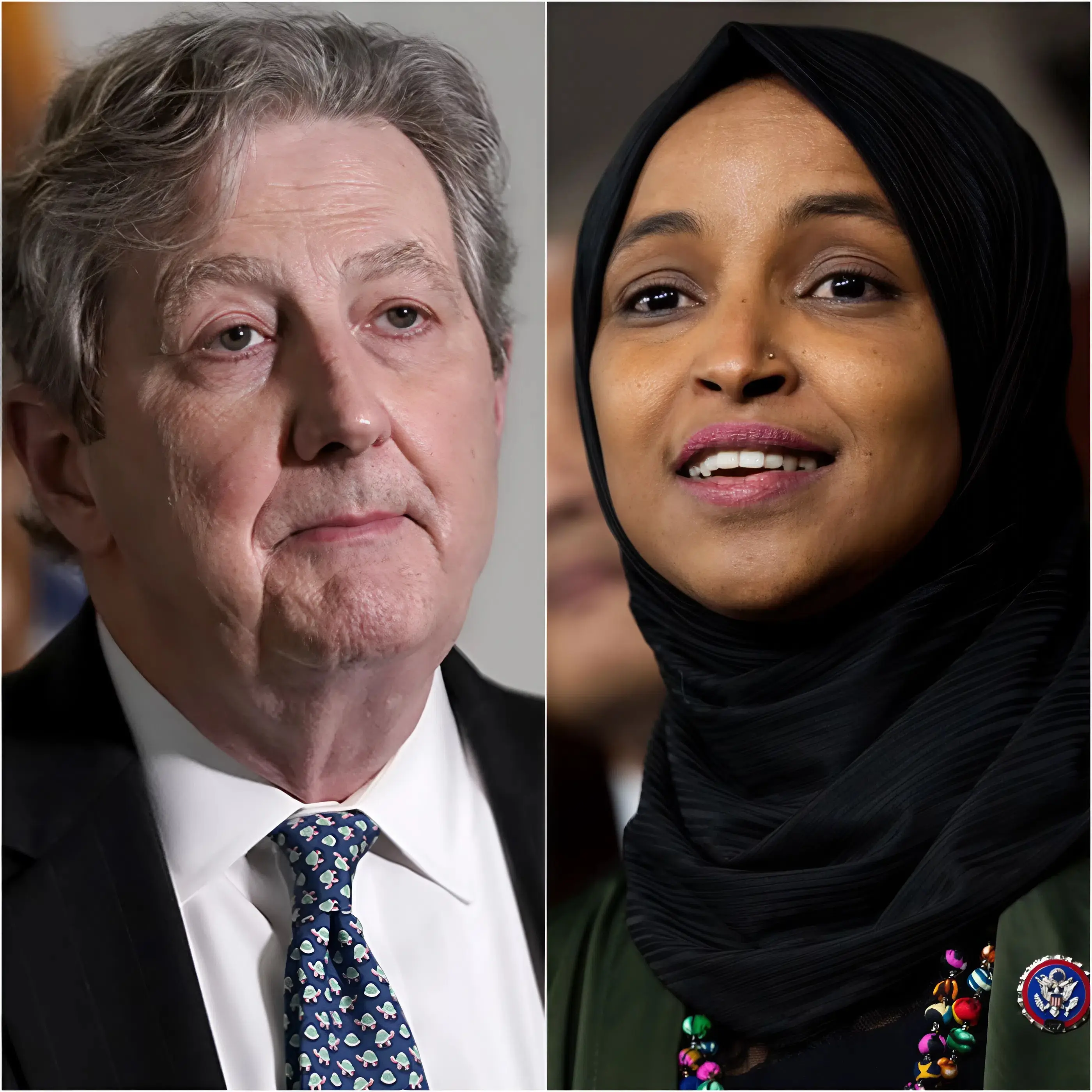
Senator John Neely Kennedy, the outspoken Republican from Louisiana known for his folksy Southern drawl and sharp-tongued barbs, has unleashed what many are calling the most divisive piece of legislation in modern American history.
His proposed constitutional amendment, dubbed the “Native-Born Leadership Act,” seeks to bar anyone not born on U.S. soil from ever holding the office of President or serving in Congress.
The bill’s core mantra—“If you weren’t born here, you will never lead here”—has ignited a firestorm of debate, pitting notions of patriotism against the foundational ideals of equality and inclusion.
Introduced last week during a heated Senate session on immigration reform, Kennedy’s amendment arrives at a precarious moment in American politics. The country is grappling with record levels of migration at the southern border, rising nationalist sentiments, and a polarized electorate still reeling from the 2024 presidential election.
Debates over identity, citizenship, and belonging have never been more fraught, with accusations of xenophobia and racism flying from both sides of the aisle. Kennedy, a former Democrat turned Republican who has built his career on conservative populism, framed his proposal as a necessary safeguard for the nation’s soul.
“This isn’t about hate; it’s about heritage,” he declared in a fiery speech on the Senate floor. “We need leaders who’ve breathed American air from their first breath, who understand our values not from a book, but from the blood in their veins.”
The proposal goes far beyond the existing constitutional requirement for the presidency, which already mandates that candidates be “natural-born citizens.” Under the 14th Amendment and subsequent interpretations, this has long included those born abroad to U.S. citizen parents, but Kennedy’s bill narrows it dramatically: only those physically born within U.S.
territories qualify. For Congress, where no such birthright restriction currently exists—requiring only citizenship and residency—the change would be revolutionary. Naturalized citizens, who swear an oath of allegiance and often endure years of bureaucracy to earn their place, would be categorically excluded from the highest echelons of power.
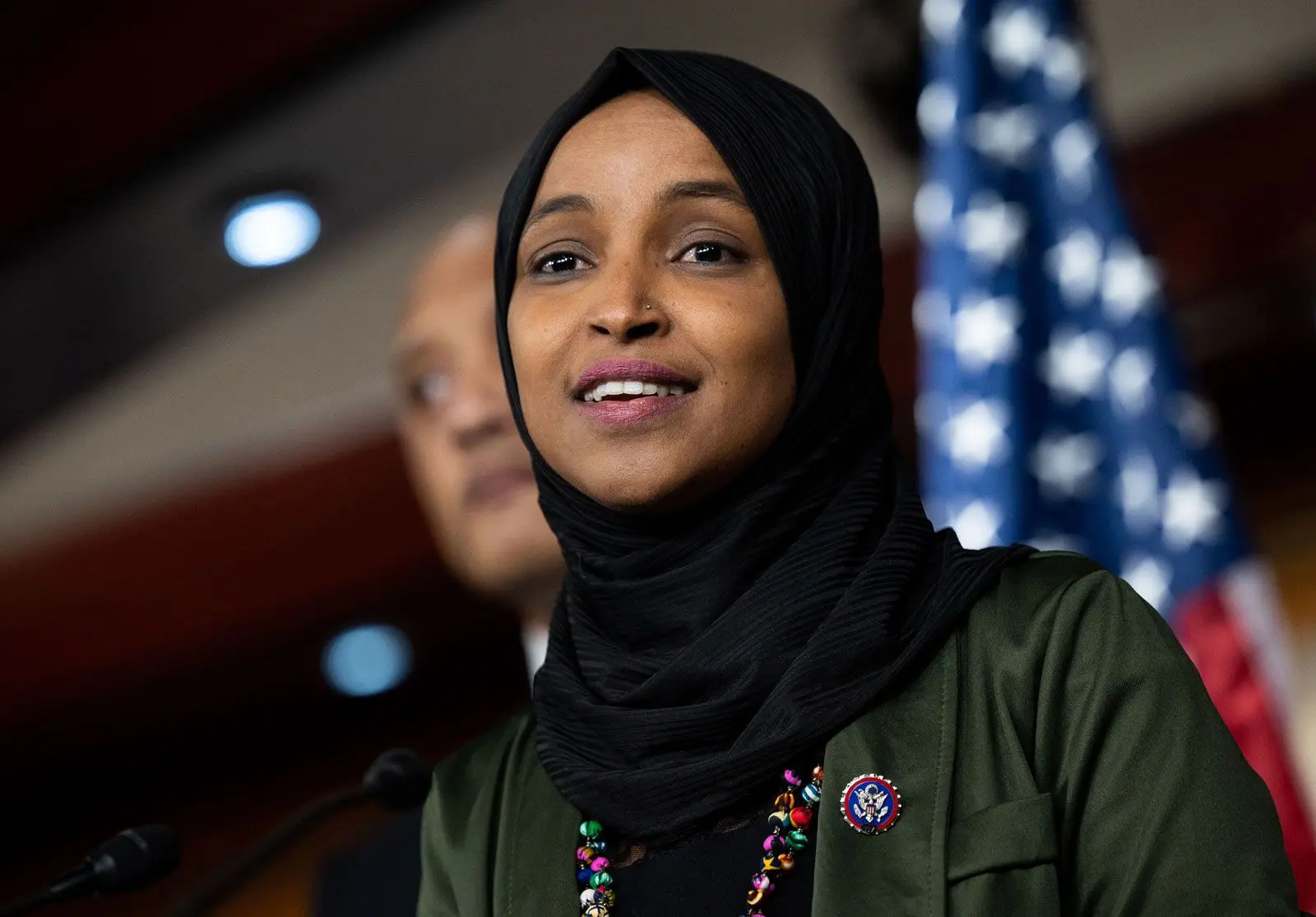
This could affect millions, including prominent figures like former California Governor Arnold Schwarzenegger (born in Austria) or current members of Congress such as Representatives Ilhan Omar (born in Somalia) and Pramila Jayapal (born in India), both naturalized citizens who have risen to influential positions.
Supporters of the bill, largely from conservative circles, hail it as a bold reaffirmation of national unity in an era of global upheaval.
They point to examples from other countries, like France and Germany, where birthright or long-term residency plays a role in leadership eligibility, arguing that such measures protect against foreign influence.
“In a world where espionage and divided loyalties are real threats, why risk it?” asked conservative commentator Tucker Carlson in a recent podcast episode that garnered over 10 million views.
Proponents also invoke historical precedents, noting that the Founding Fathers themselves embedded the natural-born clause in the Constitution out of fear of European monarchs installing puppets in American government.
For them, Kennedy’s amendment is not exclusionary but essential—a way to preserve the “purest bond” between leaders and the led, ensuring that decision-makers share the same cultural DNA as the populace they serve.
Yet, critics across the political spectrum decry the proposal as a blatant assault on democratic principles and a regression to darker times in American history.
Civil rights organizations like the ACLU and NAACP have mobilized swiftly, labeling it a “political earthquake” that undermines the Equal Protection Clause of the 14th Amendment. “This isn’t patriotism; it’s prejudice wrapped in the flag,” said Senate Minority Leader Chuck Schumer in a blistering response.
Opponents highlight America’s immigrant roots, from Alexander Hamilton (born in the Caribbean) to modern icons like Elon Musk and Sergey Brin, who have transformed the nation’s economy despite foreign births.
They argue that disqualifying naturalized citizens devalues their contributions—many have served in the military, paid taxes for decades, and embodied the American Dream more profoundly than some native-born citizens.
Legal experts predict a barrage of constitutional challenges if the bill advances, potentially reaching the Supreme Court and forcing a reevaluation of what “equal citizenship” truly means.
The potential consequences of passage are seismic. Politically, it could fracture both major parties: Republicans might alienate moderate voters and business leaders reliant on global talent, while Democrats could see internal rifts over identity politics.
Socially, the amendment risks exacerbating xenophobia, with immigrant communities already reporting increased harassment amid the debate. Economically, it might deter high-skilled immigrants, stifling innovation in tech, medicine, and academia.
Internationally, the U.S.’s image as a melting pot could suffer irreparable damage, drawing condemnation from allies like Canada and the EU, who view it as a step toward isolationism.
Human rights groups are organizing nationwide protests, with marches planned in New York, Los Angeles, and Miami—cities built by waves of newcomers.
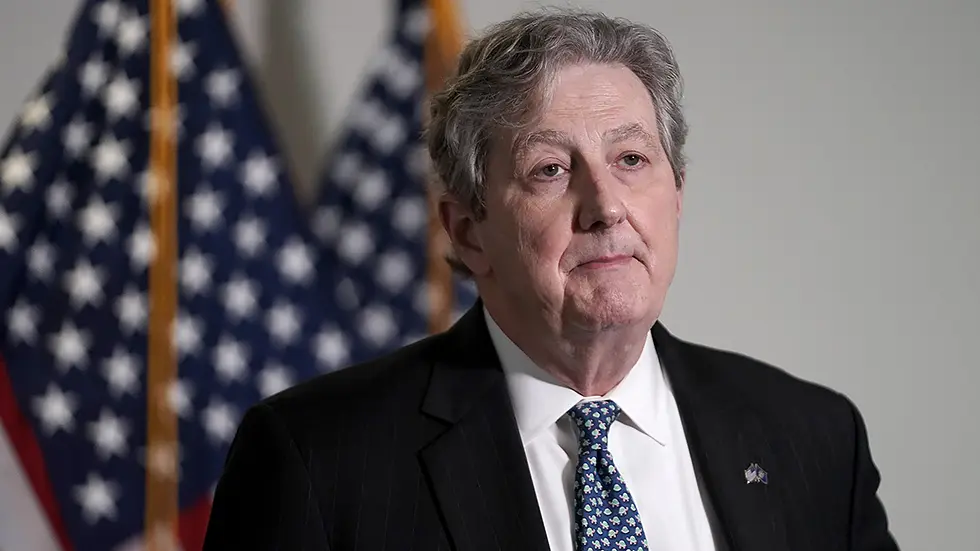
Why introduce this now? Analysts tie it to broader cultural anxieties: post-pandemic economic woes, the rise of China as a superpower, and domestic fears of cultural dilution.
Kennedy, facing reelection in 2026, may be appealing to his base in Louisiana, a state with strong conservative leanings and a history of immigration skepticism.
Yet, the bill raises profound questions: Is birthplace a fair proxy for loyalty? Can geography alone determine one’s fitness to lead? In a nation where “e pluribus unum”—out of many, one—adorns the Great Seal, does this proposal unite or divide?
Public reaction has been explosive. Social media platforms are ablaze with #BornAmerican trending alongside #InclusionForAll. Personal stories flood timelines: a veteran from Mexico who fought in Iraq, now ineligible for office; a tech entrepreneur from India who built a Fortune 500 company, forever barred from Congress.
Media outlets from Fox News to MSNBC have devoted hours to panels dissecting the bill, with international headlines in The Guardian and Le Monde decrying it as “America’s nativist turn.” Even within Kennedy’s GOP, voices like Senator Marco Rubio (whose parents emigrated from Cuba) have expressed unease, urging a more measured approach.
What does the U.S. stand to gain or lose? Proponents envision a fortified national identity, insulated from external meddling and unified under shared origins—a patriotic renaissance. Critics warn of eroded trust in institutions, deepened social divides, and a tarnished global reputation, potentially unraveling the fabric of a diverse society.
As legal battles loom and public discourse intensifies, Kennedy’s amendment stands as a historical crossroads: a choice between an exclusive vision of Americanness or one that embraces multiplicity.
The debate is far from over. With hearings scheduled for early 2026, the nation watches breathlessly. At stake is not just a law, but the very essence of what it means to be American in the 21st century—a question that will define generations to come.