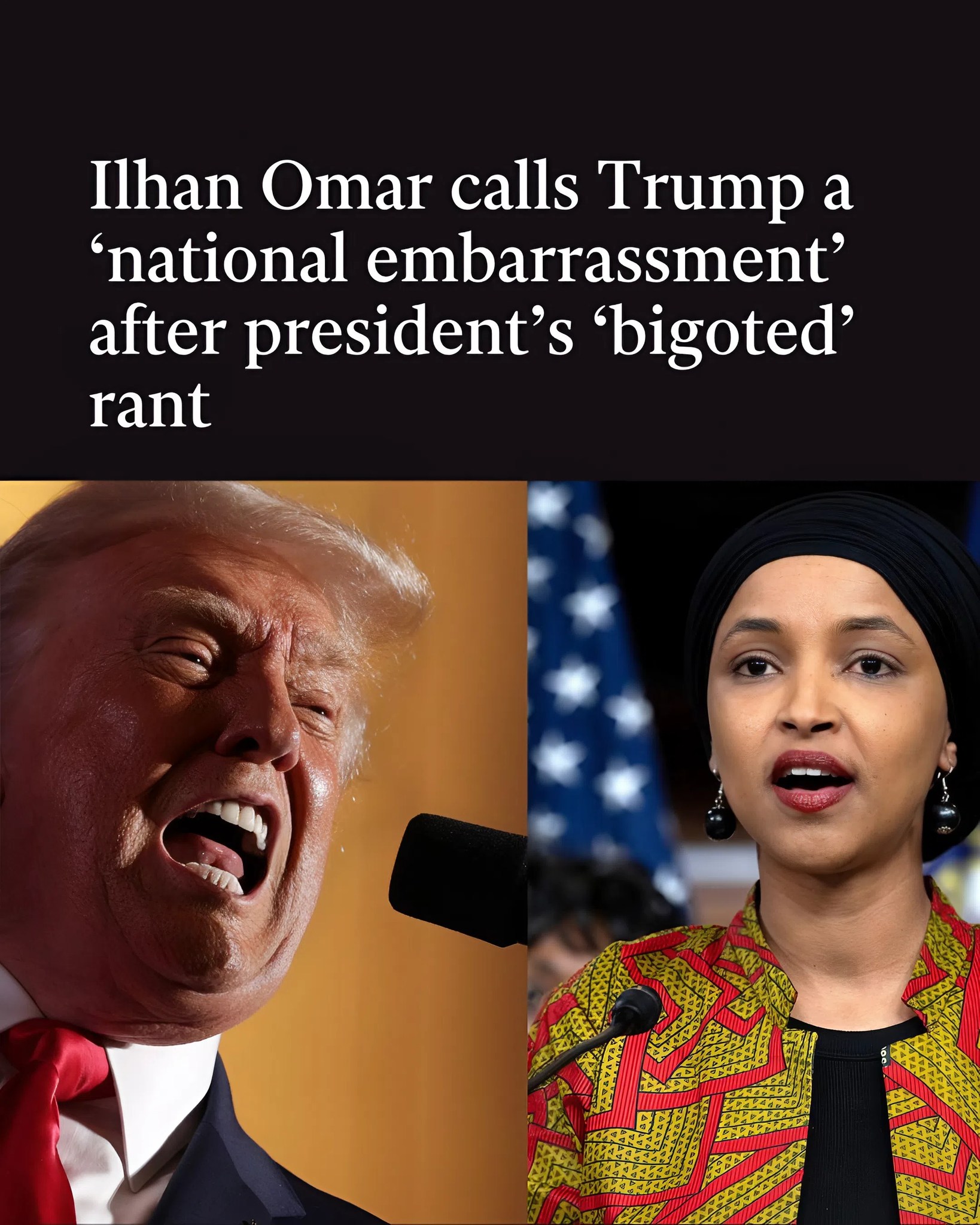
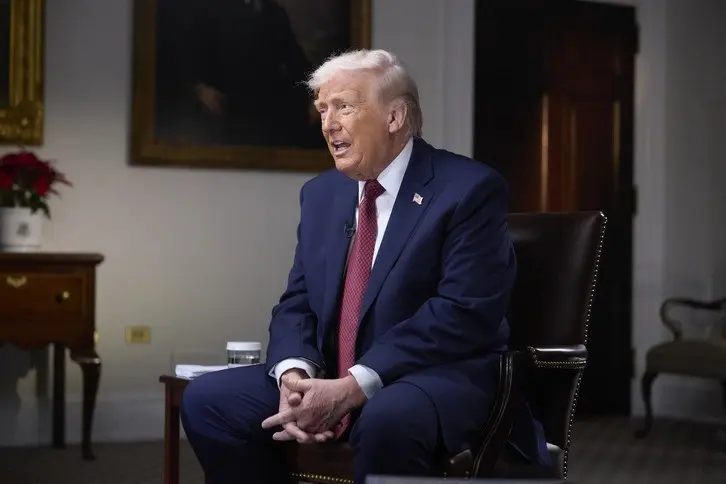
Congresswoman Ilhan Omar has branded Donald Trump as a national embarrassment after he lectured a crowd of supporters last night about places he considers to be “hellhole” and “s******e” countries.
In his speech in Mount Pocono, Pennsylvania, the president also attacked immigrants from Somalia, a country he called “filthy” and “disgusting.”
“I said, ‘Why is it we only take people from s***hole countries, right? Why can’t we have some people from Norway, Sweden, just a few, let us have a few.
From Denmark, do you mind sending us a few people? Send us some nice people, do you mind?” Trump told the crowd.
“But we always take people from Somalia, places that are a disaster, right? Filthy, dirty, disgusting, riddled with crime.”
On X, the representative for Minnesota’s 5th congressional district fired back by blasting “Trump’s obsession” with her as “beyond weird.”
“He needs serious help,” she raged. “Since he has no economic policies to tout, he’s resorting to regurgitating bigoted lies instead.
“He continues to be a national embarrassment.”
Trump also took aim at Omar in his speech, pretending that he did not know how to pronounce her name.
“Ilhan Omar, whatever the hell her name is, with her little turban. I love her,” he said. Shortly after Trump claimed that Omar came to the U.S. illegally, the crowd started chanting “send her back.”
The pair have often locked horns during Trump’s second presidency.
Their clashes have become more frequent in recent weeks, after Trump began ramping up his rhetoric about Somali immigrants living in Minnesota.
Last week, he claimed that refugees in Minnesota were “roving the streets looking for prey” and said that they had “ripped off the state for billions of dollars.”
Meanwhile, a report from The New York Times suggested that ICE strike teams are expected to go after Somali residents with final deportation orders in the near future. This comes amid reports that citizens of Somali origin are carrying their passports in Minnesota.
During his Mount Pocono speech, he attacked immigration into Minnesota for a second time, claiming that it was a “scam” which is “headed up” by Ilhan Omar, whom he branded as “the crooked congresswoman.”
He even asked, “Whatever happened to her brother,” reigniting a widely debunked conspiracy theory that Omar married her brother.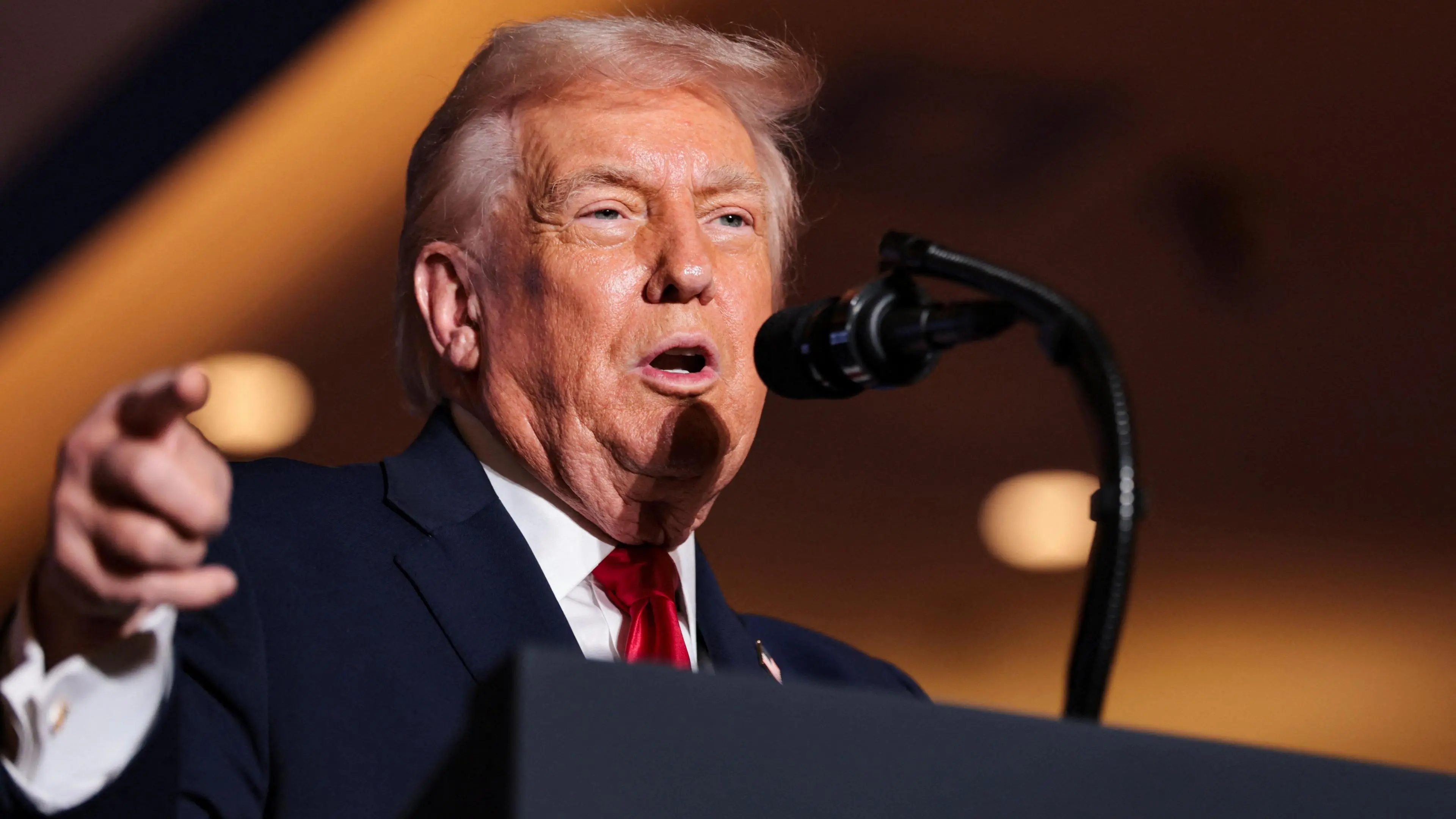
Omar has often been the target of racist abuse herself, with a 30-year-old man currently facing a half-decade prison sentence for posting violent threats about the congresswoman online.
Myles M. McQuade allegedly claimed that he would decapitate Omar before murdering her children and eating them “for protein,” according to plea agreement papers seen by The Independent.
He made the comments a day after Omar criticized Charlie Kirk while speaking to reporters, prompting him to demand that she “go back to Somalia.”
Trump’s remarks once again ignited controversy as he revived long-circulated conspiracy theories accusing Representative Ilhan Omar of marrying her brother to obtain U.S. citizenship. His comments immediately triggered widespread backlash, reinforcing political divisions and drawing renewed attention to misinformation used repeatedly throughout past election cycles.
The allegation, long debunked by multiple fact-checking organizations, resurfaced during Trump’s latest rally, where he framed it as an example of what he described as corruption in the immigration system. His claims were met with loud applause from supporters and instant outrage from critics demanding accountability.
Observers noted that Trump has repeatedly used Omar as a political target, often framing her as symbolic of what he labels “broken politics.” This renewed assertion fit within his broader pattern of weaponizing personal accusations to energize his base and redirect national attention.
Political analysts highlighted that the timing of Trump’s comment appeared strategic, aimed at rallying conservative voters ahead of crucial electoral milestones. By resurfacing a conspiracy theory known to provoke emotional responses, he ensured maximum media coverage and reignited longstanding partisan animosity.
Omar’s team quickly responded, condemning the claim and asserting that the story had been disproven years ago. They emphasized that Trump’s return to the narrative demonstrated a willingness to rely on falsehoods rather than policy arguments, calling his remarks irresponsible and dangerous.
Journalists covering the rally pointed out that Trump presented the claim without offering new evidence, repeating nearly identical language used in previous campaign cycles. His choice to revive the theory suggested a deliberate attempt to appeal to supporters familiar with earlier political battles.
Immigration experts reiterated that marriage-fraud allegations of this nature require verifiable documentation, none of which has ever surfaced in Omar’s case. They warned that repeated promotion of disproven accusations contributes to rising anti-immigrant sentiment and undermines trust in legitimate investigative processes.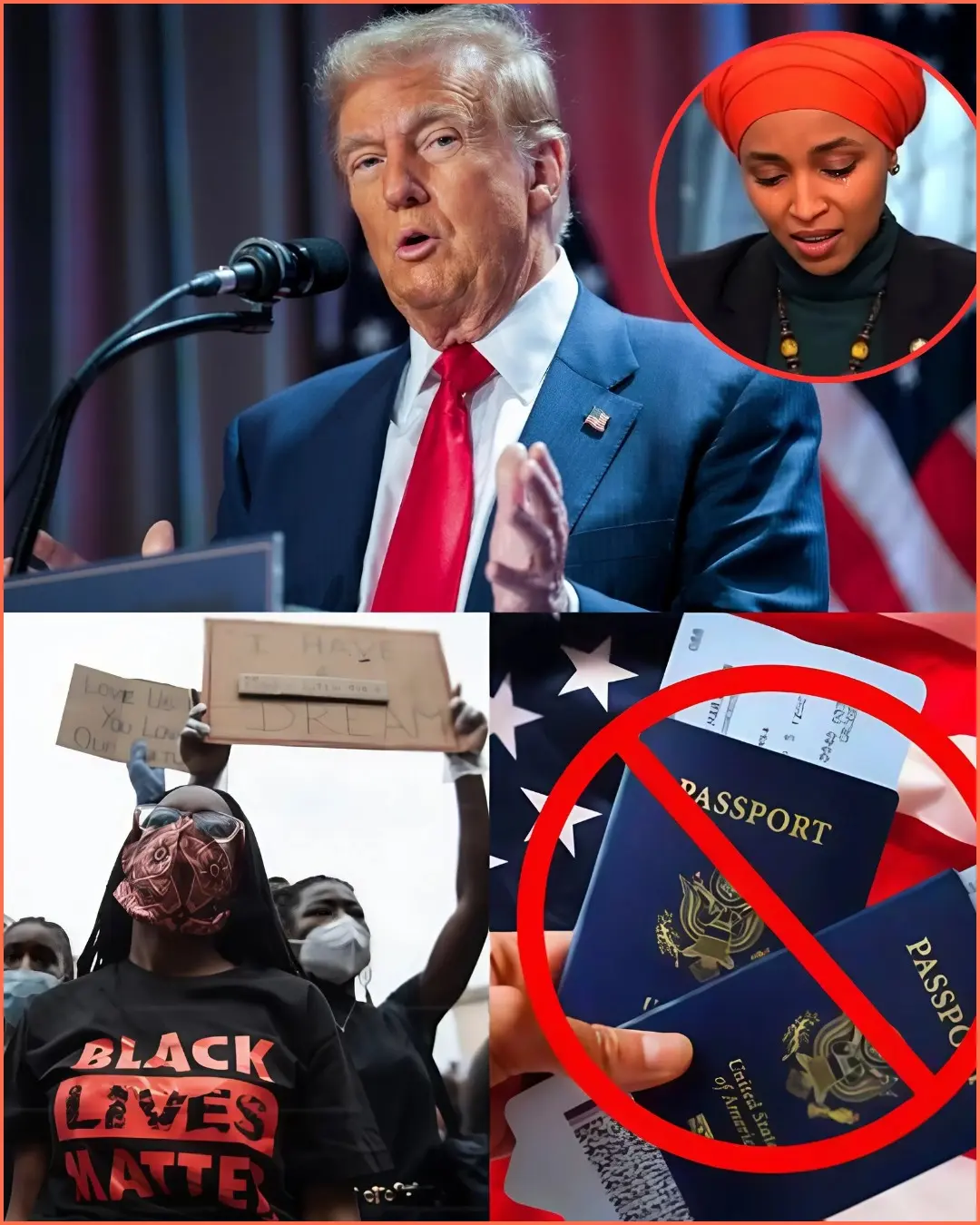
Meanwhile, social media platforms saw an immediate surge in posts analyzing and debating Trump’s comments. Supporters defended his right to raise concerns, while opponents accused him of deliberately spreading misinformation designed to marginalize immigrants and inflame racial and cultural tensions.
High-profile political figures responded swiftly, some accusing Trump of racism and Islamophobia for repeatedly targeting a Black, Muslim congresswoman. They argued that such rhetoric endangers public officials and encourages hostility toward minority communities, both online and in real-world environments.
Republican strategists privately acknowledged that invoking Omar helps Trump energize a segment of voters who respond strongly to cultural grievances. They noted that while the claim lacks evidence, its emotional potency makes it an effective rallying tool within certain political circles.
Democratic leaders condemned the remarks as a calculated attempt to distract from substantive policy discussions. They argued that resurrecting disproven conspiracy theories reflects a broader strategy to confuse voters, obscure legislative shortcomings, and shift attention from pressing national issues.
Legal scholars explained that repeating allegations without evidence rarely results in formal repercussions but can significantly damage public perception. They warned that continued amplification of false claims erodes democratic norms and contributes to an environment where misinformation spreads unchecked.
Omar herself addressed the issue later, stating that she refuses to be intimidated by recycled lies. She reaffirmed her commitment to representing her constituents and criticized Trump for exploiting bigotry and personal attacks instead of offering meaningful proposals to improve American lives.
Community advocates expressed concern about the broader impact of Trump’s comments, noting that conspiracy theories often lead to harassment. They reported increases in threatening messages directed at Omar, demonstrating how political rhetoric can rapidly escalate into targeted hostility against vulnerable individuals.
Media analysts observed that Trump’s statement quickly dominated news cycles, overshadowing other political developments. They argued that his ability to steer public discourse through controversial remarks remains a defining feature of his communication strategy, regardless of factual accuracy.